


Introduction
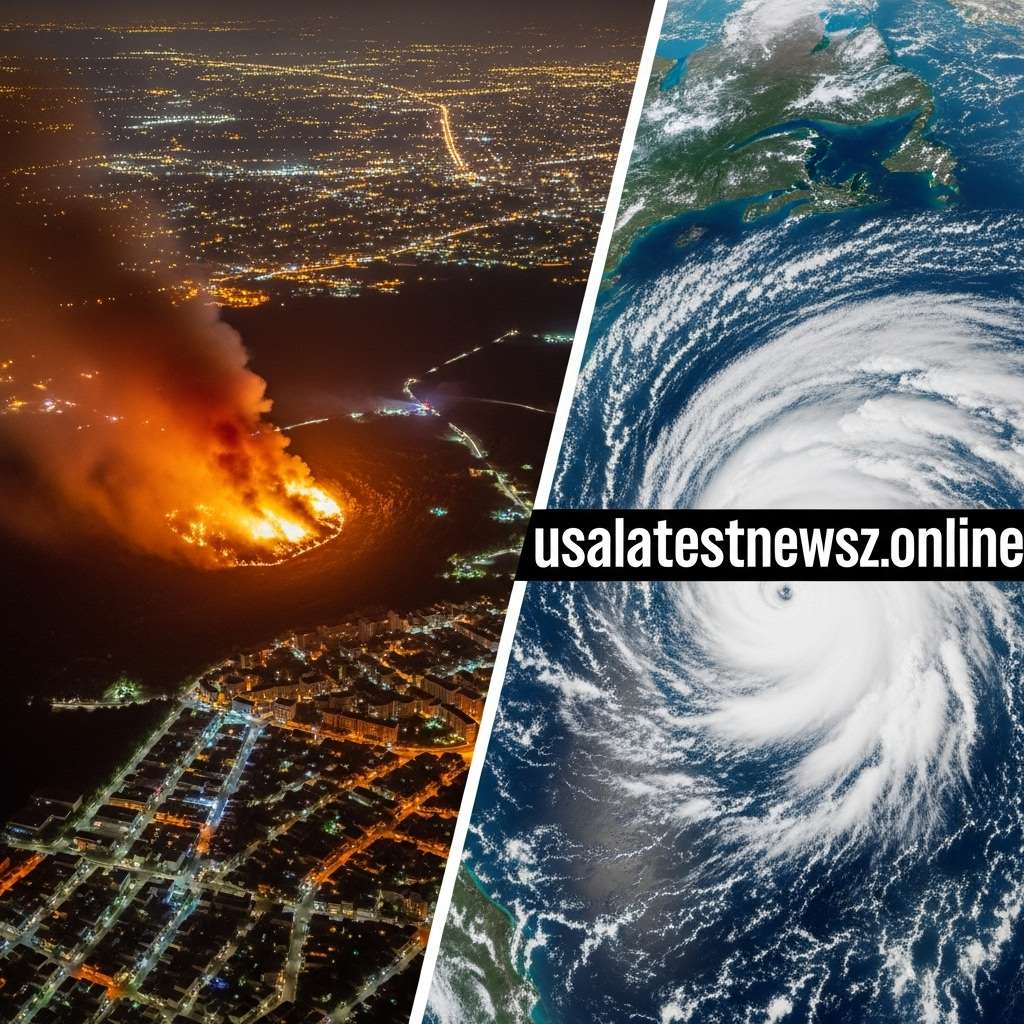
In recent years, the United States has seen a rise in large-scale natural disasters driven by extreme weather patterns. The hypothetical 2025 Los Angeles fires and Hurricane Melissa highlight how vulnerable major regions can be when facing simultaneous crises. While these situations are used for analysis and preparedness planning, they reflect real challenges the nation must address.
This article from usalatestnewsz.online examines the causes, the impact such disasters could have, and the lessons that policymakers and emergency agencies can use to strengthen national resilience.
Table of Contents
Understanding the 2025 Los Angeles Fires
Wildfires remain one of California’s most persistent threats. A major fire scenario occurring in Los Angeles in 2025 would likely be fueled by a combination of drought conditions, high temperatures, and strong winds. These factors create an environment where even small sparks can spread rapidly.
Such hypothetical fires help researchers and officials assess emergency response readiness, infrastructure vulnerability, and population evacuation strategies.
Contributing Factors
Several factors typically increase the risk of large-scale fires in Los Angeles:
• Long-term drought and reduced water reserves
• Dry vegetation and increased heat waves
• Santa Ana winds intensifying fire spread
• Urban development expanding near high-risk zones
• Aging electrical equipment and infrastructure
Potential Impact
A major wildfire event could lead to:
• Forced evacuations across multiple districts
• Damage to homes, businesses, and public infrastructure
• Transportation shutdowns and road closures
• Air quality hazards impacting millions
• Strain on emergency shelters and medical centers
The Hypothetical Hurricane Melissa Scenario
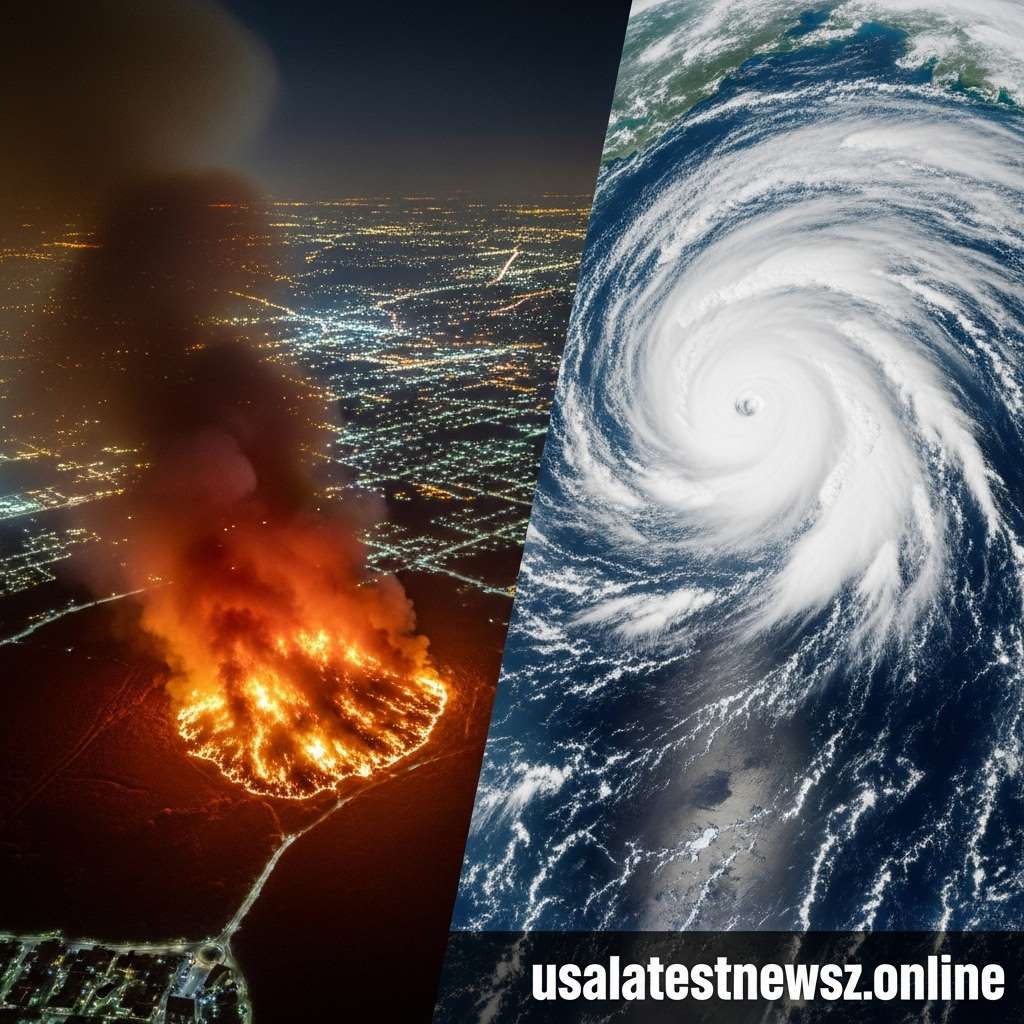
Hurricane Melissa, as a 2025 planning concept, represents a powerful Atlantic storm capable of affecting coastal communities from Florida to the Carolinas. Preparedness exercises use such scenarios to test emergency systems and improve response plans.
Characteristics of a High-Impact Storm
A storm like Hurricane Melissa might include:
• Category 3 or higher wind speeds
• Heavy rainfall causing inland flooding
• Widespread storm surges along coastal regions
• Power outages lasting several days
• Disruption to supply chains and transportation networks
Possible Effects on the Region
A hurricane of this scale could result in:
• Large-scale evacuation orders
• Flooding of residential areas and business districts
• Damage to power grids and communication networks
• Long-term recovery costs for local and state governments
• Temporary closures of airports, ports, and major highways
When Disasters Overlap: A National Challenge
The combination of a major wildfire on the West Coast and a strong hurricane on the East Coast creates a unique strain on federal and state resources. Emergency agencies often analyze overlapping crisis scenarios to improve response timing and resource distribution.
Key Complications
• Competing demands for federal support
• Emergency responders stretched across multiple states
• Supply shortages for shelters, medical supplies, and fuel
• Increased pressure on national transportation and communication systems
Government and Community Response
Effective response requires coordination across several levels:
Federal Agencies
FEMA and national guard units provide support with shelter management, rescue operations, and disaster logistics.
State and Local Authorities
Local agencies handle evacuations, fire containment, flood control, and public communication.
Community Organizations
Nonprofits and volunteers play vital roles in delivering food, medical care, and temporary housing.
Technology and Private Sector
Companies assist with communication tools, energy restoration, and mapping systems to track disaster impact.
Lessons for National Preparedness
Disaster simulations and hypothetical events like the Los Angeles fires and Hurricane Melissa offer valuable insights into how the U.S. can improve resilience.
Key Takeaways
• Strengthening early-warning systems
• Updating evacuation routes and emergency plans
• Investing in wildfire prevention and forest management
• Improving coastal defense infrastructure
• Expanding federal disaster funds and rapid-response teams
• Encouraging community-level education and preparedness
Path Forward
As extreme weather patterns become more common, the United States must continue strengthening its disaster management systems. Whether dealing with fires, hurricanes, or overlapping emergencies, preparation and coordination remain the most effective tools for protecting lives and communities.
Conclusion
The hypothetical 2025 Los Angeles fires and Hurricane Melissa underscore the importance of strong national disaster readiness. By studying events like these, policymakers and emergency agencies can anticipate future risks and improve response strategies. For continuing updates, analysis, and preparedness insights, visit usalatestnewsz.online.






Leave a Reply