


Introduction
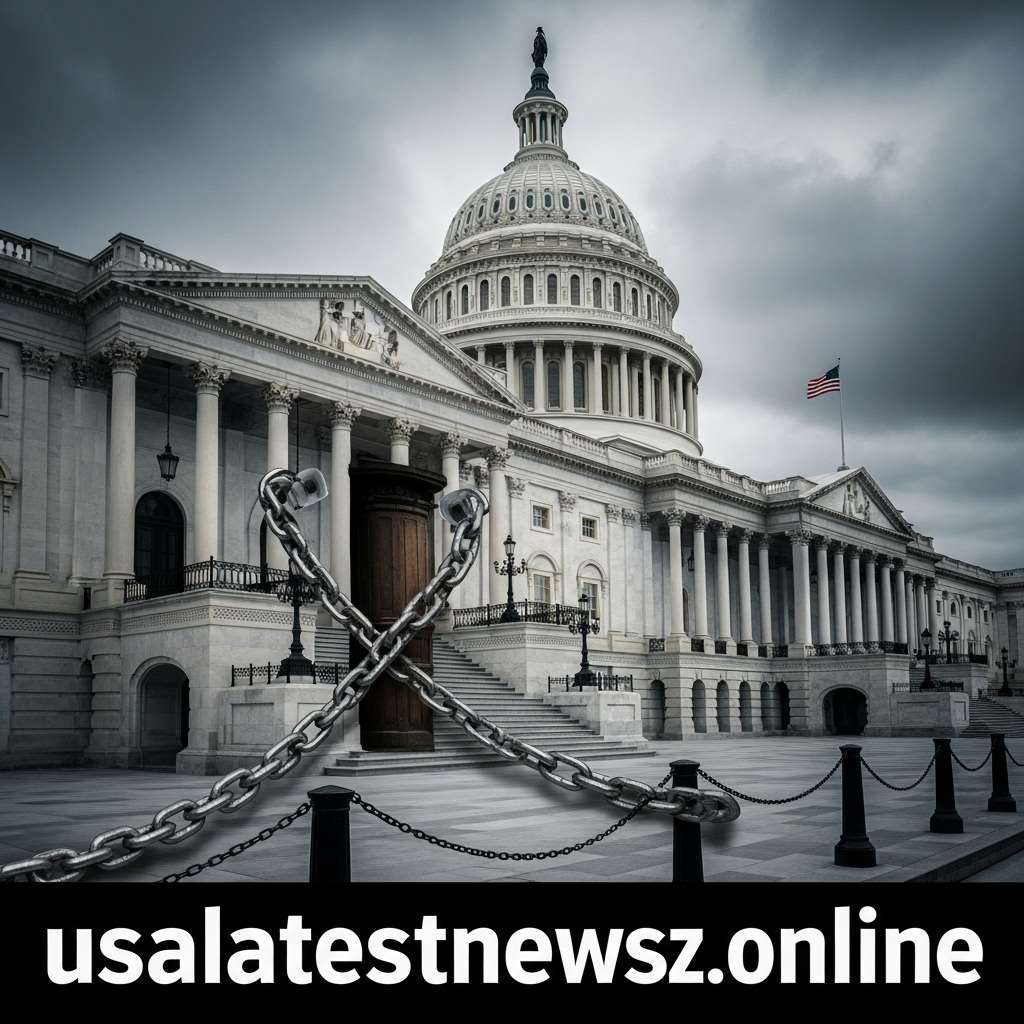
The Government Shutdown of 2025 has become one of the most disruptive national events of the year. With federal agencies paralyzed, employees furloughed, and essential services delayed, millions of Americans have been directly affected. Understanding why the shutdown happened and what it means for the country is crucial.
This detailed report from usalatestnewsz.online explains the causes, impact, and possible solutions lawmakers are considering to end the crisis.
Table of Contents
What Sparked the 2025 Government Shutdown
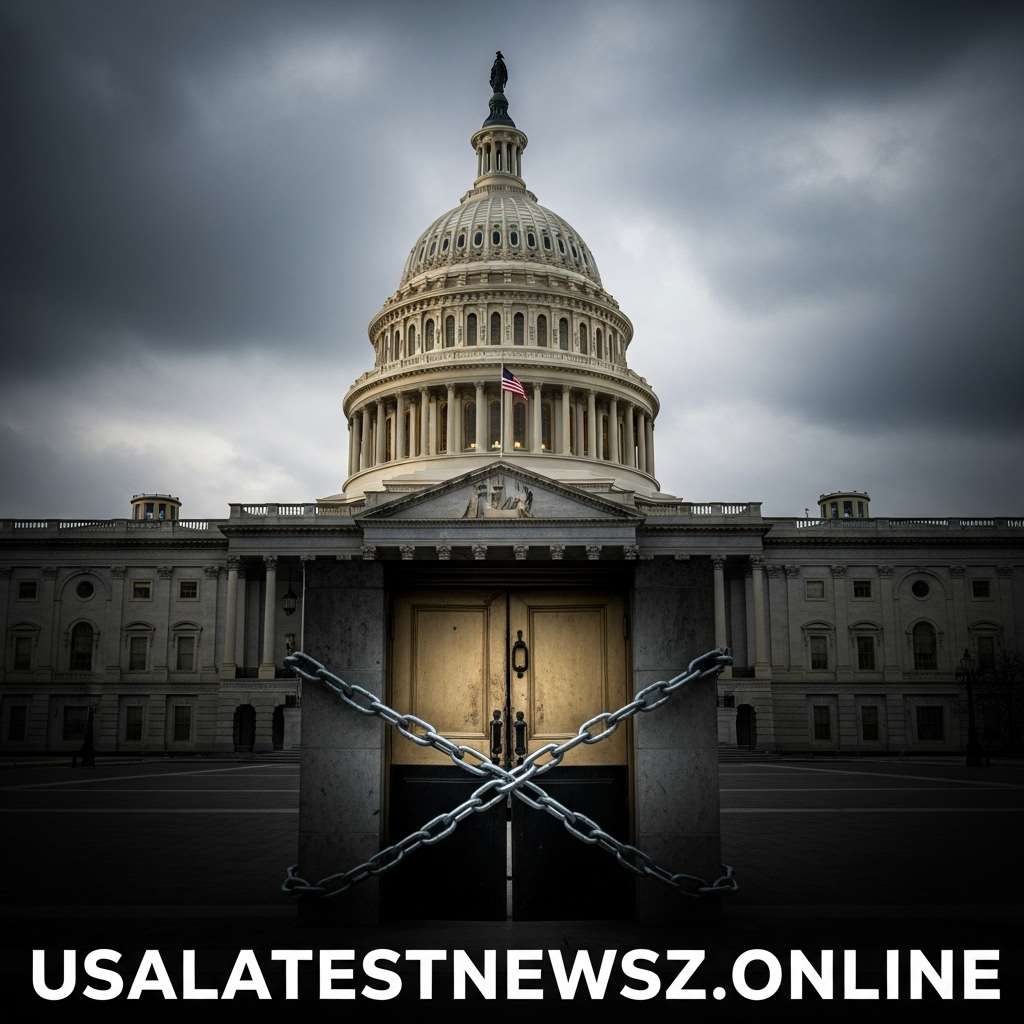
The shutdown began after Congress failed to pass the required federal funding bills before the deadline. Disagreements between lawmakers over spending levels, border security provisions, and economic policy led to a complete budget impasse.
The central issues involved debates over federal spending priorities, emergency funding requests, and proposed policy changes tied to the budget. As negotiations stalled, the government officially entered shutdown status.
Key Causes Behind the Budget Stalemate
Disagreement Over Federal Spending Levels
Lawmakers clashed over how much money should be allocated to defense, healthcare, education, and social support programs. Competing proposals created a deadlock.
Border Security and Immigration Disputes
Contentious policies related to border enforcement, asylum processing, and migrant support funding became a core point of conflict.
Economic Policy Differences
Competing plans for tax reforms, small business relief, and inflation control contributed to the standoff, with neither side willing to compromise.
Political Strategy and Pressure
Both parties used the shutdown as leverage to push their policy agendas, creating further delays in negotiations.
Who Is Affected by the 2025 Government Shutdown
Federal Employees
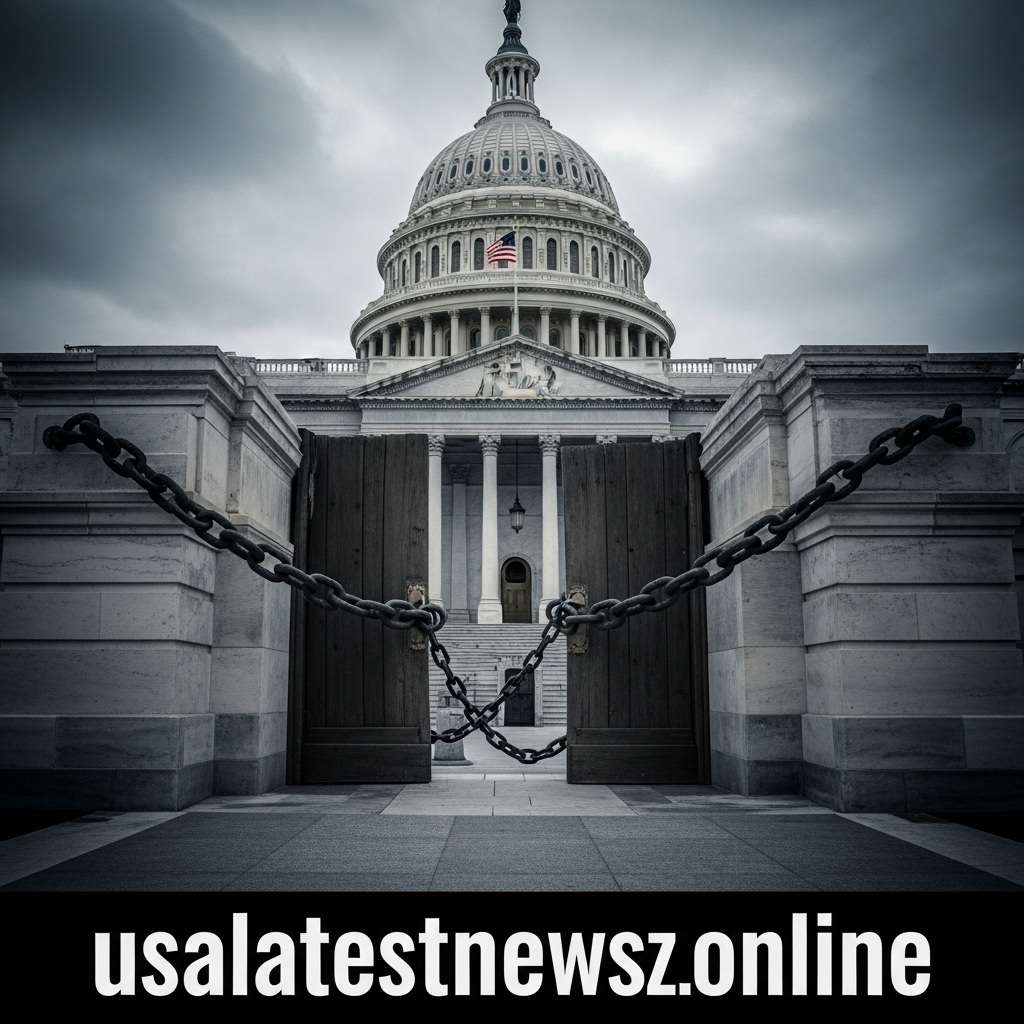
Hundreds of thousands of federal workers have been furloughed or are working without pay, causing financial stress across multiple states.
National Parks and Public Services
Many national parks, museums, and public facilities are partially or fully closed, affecting tourism and local economies.
Small Businesses
Companies that rely on federal permits, contracts, or government-backed loans face delays and revenue losses.
Families and Citizens
Services like passport processing, tax assistance, housing programs, and food aid have slowed or paused, creating uncertainty for millions.
Economic Markets
Financial markets have shown volatility as investors react to prolonged political uncertainty and potential long-term economic effects.
Economic Consequences of the Shutdown
Slowed Economic Growth
Reduced government activity leads to lower economic output, especially in industries connected to transportation, tourism, and federal contracting.
Delayed Payments and Services
Federal payments, grants, and approvals that businesses rely on are suspended, causing operational challenges.
Pressure on State Governments
States must fill service gaps, manage overcrowded public systems, and support residents affected by federal delays.
Consumer Confidence Decline
Uncertainty about the shutdown reduces consumer spending and raises concerns about long-term stability.
Potential Path Forward for Ending the Shutdown
Bipartisan Negotiations
Lawmakers will need to draft a compromise bill that balances spending demands with policy adjustments acceptable to both sides.
Temporary Funding Bills
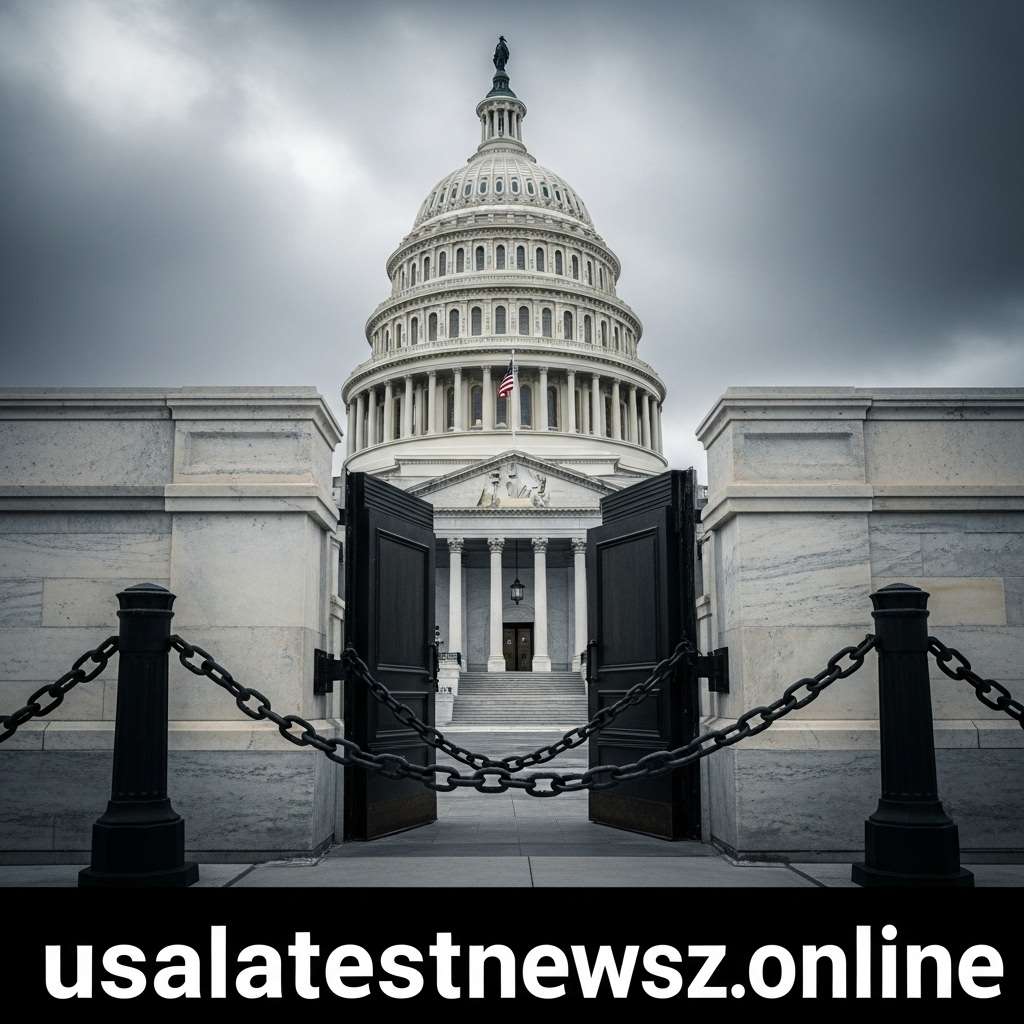
A short-term continuing resolution may reopen the government while longer-term negotiations continue, though this is not a permanent solution.
Separate Votes on Controversial Issues
Some legislators support removing controversial items from the budget bill and addressing them separately to speed up funding approval.
Public and Business Pressure
As the shutdown continues, increased pressure from citizens, industries, and state leaders may push Congress toward a faster resolution.
Long-Term Solutions to Prevent Future Shutdowns
Many experts argue that structural reforms are needed, such as automatic funding extensions, new budget deadlines, or limits on tying policy debates to core funding bills. These changes aim to prevent recurring shutdowns and ensure greater stability for federal operations.
Conclusion
The Government Shutdown of 2025 highlights deep political divisions and the urgent need for more efficient legislative processes. As negotiations continue, millions of Americans remain caught in the middle, waiting for essential services to resume. For clear, reliable updates during this ongoing situation, continue visiting usalatestnewsz.online.






Leave a Reply